
Skip to main content Home | Contact Us | Find Us | Français | Asian Banking | Site MapCIBC Websites
Personal Banking Business Services About CIBC
 
Everyday Banking
Learning about Credit

Credit Cards 101: Staying on the Smart Side of Credit

Signing on the dotted line is fun. No money comes out of your bank account and no cash comes out of your wallet. Shopping has never been so easy. Credit cards are certainly convenient and can help you establish a credit history, which will be important when you need to make major purchases down the road. However, carrying a credit card comes with big responsibilities. Here are some tips to help start and build a smart relationship with your credit card.

Choosing the right card

When selecting a credit card, you should consider your own needs. For example, if you're going to be carrying a balance (not paying off the entire bill each month) then you may want a card with a low interest rate. But as a student, you may be limited by a few circumstances, one of which is your paycheque. Some credit cards require a minimum income level or charge an annual fee.

Talk to someone at your bank branch before selecting a credit card. They'll tell you your options. CIBC offers a credit card designed specifically for students. The CIBC Classic Card for Students comes with no annual fee and has a minimum income requirement of only $1,200 to qualify.
Learn more

Studying your statement

Every month, you'll receive a statement that details what you've bought and what you need to pay. The purchases you've made will be tallied, just like on a bank statement. You'll need to pay attention to:

  • The amounts - Make sure your purchases are listed correctly by comparing the amounts to your own purchase receipts. Doing this will help you understand where your money is being spent and help you adjust your spending patterns.

  • The balance - If for any reason your statement seems a lot bigger than you thought it would be, you may be heading into a danger zone. Keep your balance within a range you can afford to pay off every month. And remember to save some credit for emergencies.

  • The minimum payment - You need to pay this amount each month toward the entire outstanding balance. Making substantial payments every month will help you keep the interest under control.

  • The purchase interest - This is how much you're paying on purchases that have not been paid off in full by the payment date. Whenever you carry a balance forward from the previous month, you'll pay this monthly interest.

  • The payment date - When you are busy and responsible for many bills, it's easy to forget when everything is due. However, paying bills on time is crucial to maintaining a positive credit record. Over time, it could mean the difference between being approved or denied for other credit, such as a car loan or a mortgage. Many credit card companies advise making payment a few days before the specified payment date to ensure receipt. Another option is to pre-pay your bills using telephone or Internet banking.

Staying out of the danger zones

A credit card isn't meant to help finance a life you can't afford, even when you really, really need that sweater, or stereo, or vacation. When you splurge on credit, it becomes very difficult to turn back. That's why it's a good idea to avoid the following, despite the temptation:

  • Cash advances - You'll pay interest on a cash advance from the moment the cash is in your hand. You may also be charged a service fee. Cash advances are great for emergency cash but avoid using them as an income supplement.

  • Hitting your credit limit - There are many reasons why hitting your credit limit can be dangerous. If you don't have the money to cover your purchases, you will definitely feel the discomfort that a large balance brings.

  • Impulsive purchases - Think about the purchase and why you are buying. Do you really need it? Don't let the ease and convenience of credit be the driver for purchasing the item.

  • Overusing the card - Credit cards aren't a substitute for saving and budgeting. When you can't afford to go to the movies, don't think of your credit card as a saving grace.

On the road to good credit

A credit card can be a tool that you use to your advantage. If you play your cards right you'll prove to creditors that you are a person who can take care of business in a mature and responsible way. And a few years down the road, you'll have a good credit history.

Now that's impressive.


image: featured product

Classic Card for Students

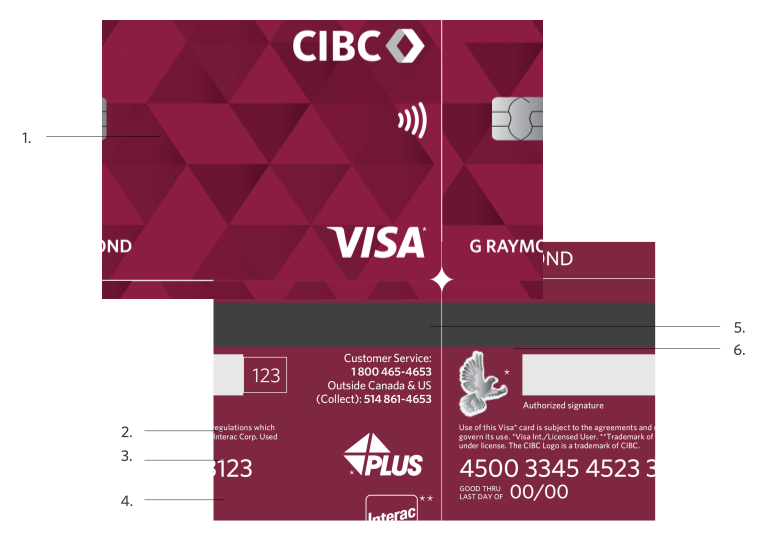
This great everyday VISA* card for students offers a wide range of convenient features, including purchase protection, common carrier travel accident insurance, car rental discounts and much more. Find out more


CIBC Classic VISA* Card for Students
Apply Now

image: products for students


The information in this article is general only; it is not intended as specific investment, financial, accounting, legal or tax advice for any individual.